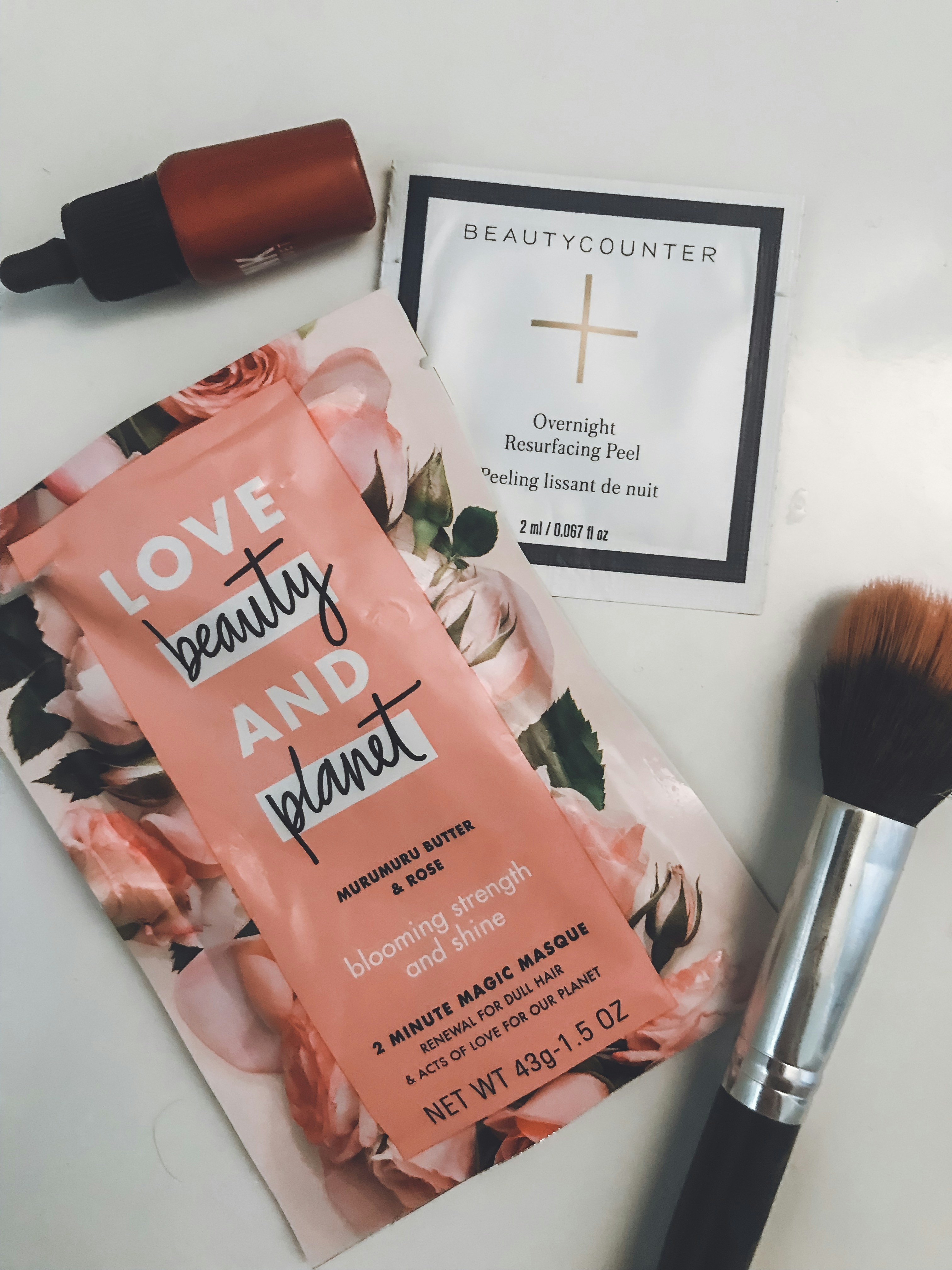
Understanding Beauty and Personal Care
Beauty and personal care encompass a wide range of practices, products, and rituals aimed at enhancing one’s physical appearance and promoting overall well-being. The definitions of beauty have evolved significantly across cultures and eras, reflecting changing societal values and norms. In contemporary society, beauty is often associated with personal grooming, skincare, makeup, and the use of various products designed to enhance or maintain an individual’s aesthetic appeal.
For women, beauty and personal care routines hold great significance in daily life. These routines generally involve cleansing, moisturizing, and protecting the skin, alongside the application of cosmetic products. Engaging in these practices can foster a sense of confidence and self-esteem, enabling women to feel more empowered in their environments. Moreover, personal care routines often serve as a form of self-expression, allowing women to showcase their individuality and creativity.
However, the psychological and social implications of beauty standards cannot be overlooked. Media portrayals and advertising often establish unrealistic ideals, leading to pressure on women to conform to certain beauty norms. This influence can impact mental health, resulting in issues such as body image dissatisfaction or low self-worth. Understanding the impact of these societal expectations is crucial, as it encourages women to define their notions of beauty beyond superficial standards.
As perspectives on beauty continue to shift, it is essential to recognize the diversity in beauty definitions. Today, there is a growing movement towards inclusivity and acceptance, promoting the idea that beauty is not confined to one stereotype, but is multifaceted, celebrating different cultures, body types, and features. Recognizing this diversity empowers women to embrace their natural beauty, fostering a more holistic approach to personal care and beauty practices.
Key Categories of Beauty and Personal Care Products
The beauty and personal care industry is vast, encompassing a variety of products that cater to various aspects of self-care and enhancement. Among the key categories are skincare, makeup, hair care, fragrances, and body care, each fulfilling distinct roles in a holistic beauty routine.
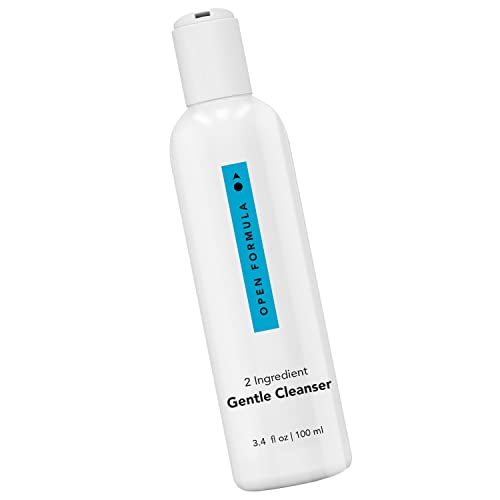
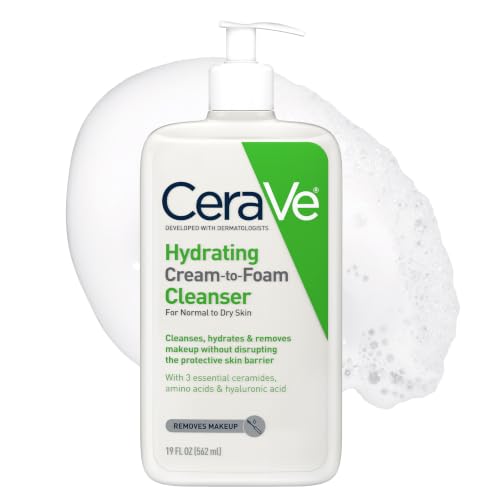
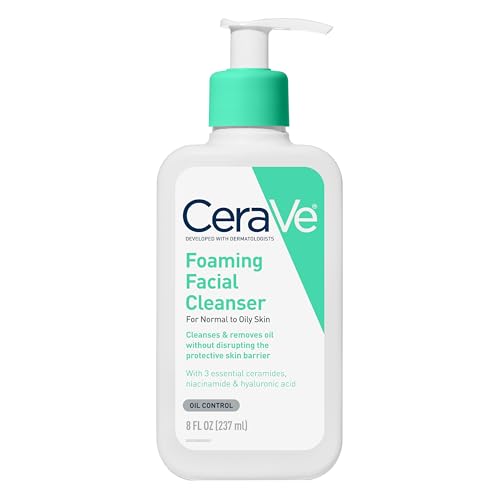
Skincare is fundamental to maintaining healthy skin. Products in this category include cleansers, exfoliants, toners, serums, moisturizers, and sunscreens. For instance, a gentle foaming cleanser is essential for removing dirt and makeup, while an exfoliating scrub aids in shedding dead skin cells. Moisturizers lock in hydration, and sunscreen is crucial for protecting skin from harmful UV rays.
Makeup enhances features and allows for creative expression. This category features items like foundations, concealers, blushes, eyeshadows, and lipsticks. Foundations provide an even skin tone, concealers help mask imperfections, while eyeshadows and lipsticks offer a chance for creativity and individuality in one’s appearance. Popular brands like MAC, Maybelline, and Nars have established themselves in this space, providing quality products that cater to diverse skin tones and preferences.


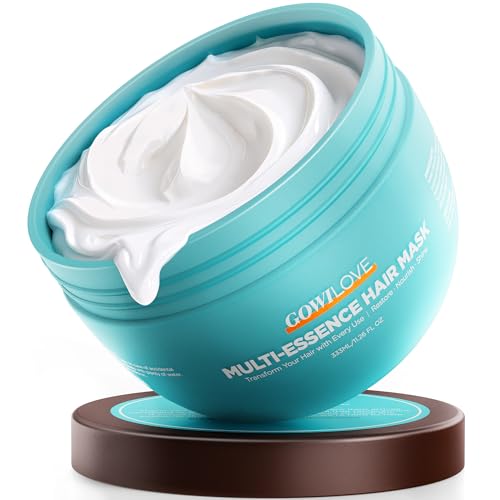
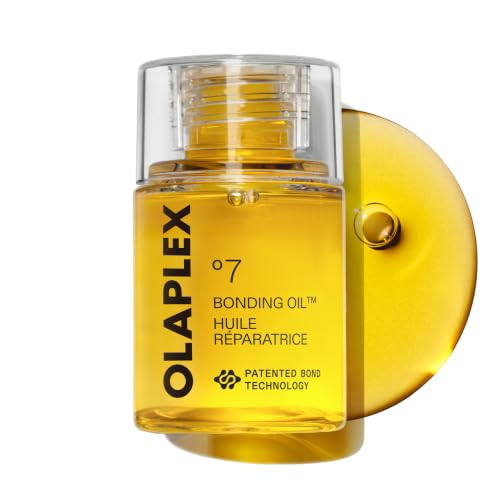
Hair care is equally important, comprising shampoos, conditioners, styling products, and treatments. Regular use of a nourishing conditioner can significantly improve hair texture and manageability, while specialized treatments, like deep conditioning masks, target specific issues, such as dryness or damage.
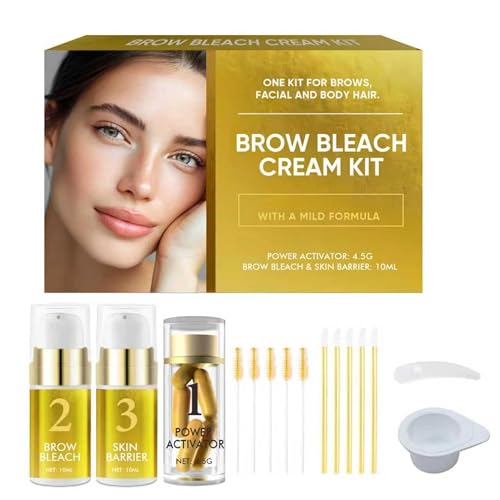
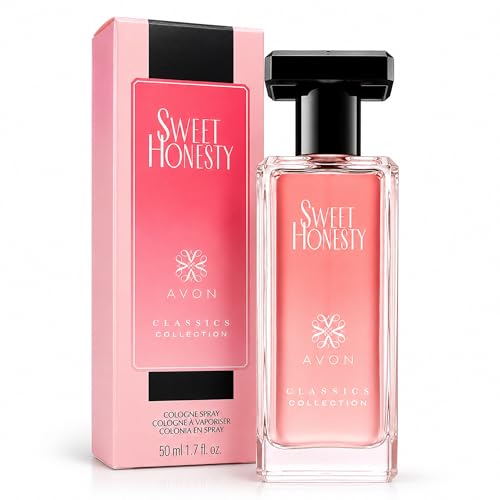
Fragrances play a vital role in personal expression, with perfumes and body sprays available for different occasions and preferences. Notable brands, including Chanel and Dior, have created iconic scents that have become synonymous with elegance.


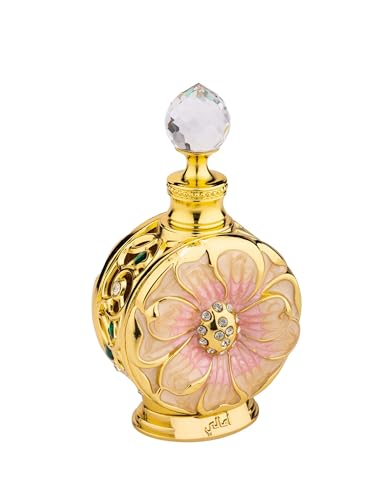
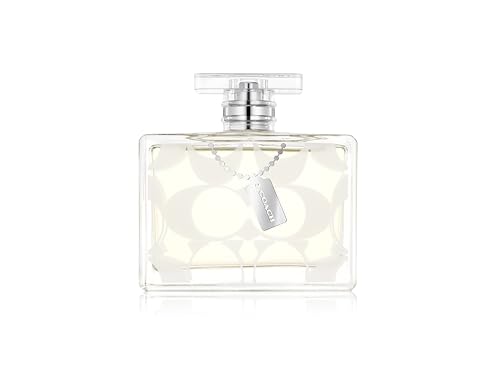
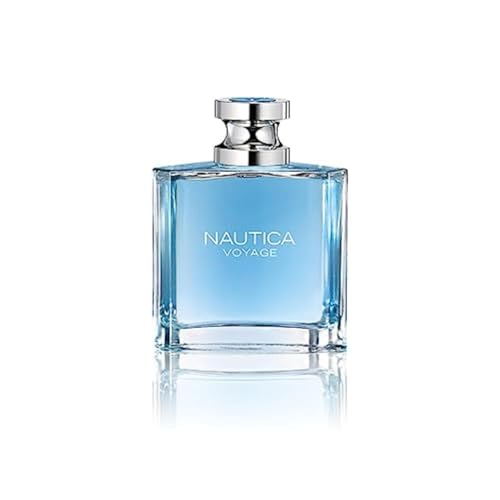

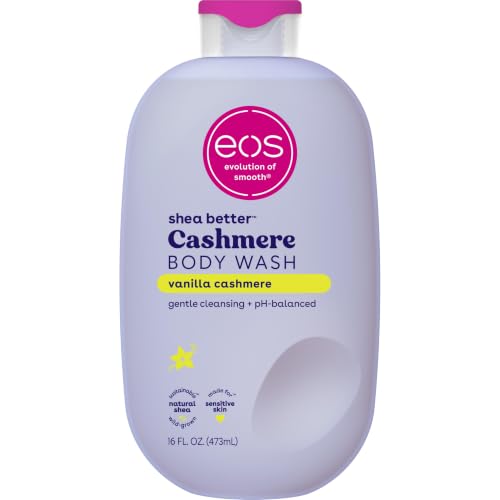
Lastly, body care includes products such as body washes, scrubs, and moisturizers, promoting overall skin health and hygiene. A hydrating body lotion after a shower helps to keep the skin soft and supple.
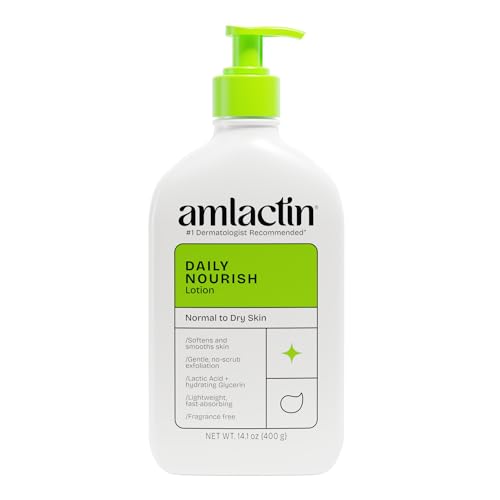





Understanding Your Skin Type
Choosing the right beauty and personal care products begins with understanding your skin type. There are four primary skin types: oily, dry, combination, and sensitive. Each type has its unique characteristics and requires different product formulations to maintain optimal skin health.
Oily skin typically appears shiny, especially in the T-zone (forehead, nose, and chin). Individuals with oily skin may experience enlarged pores and are often more susceptible to acne. For this skin type, look for products labeled as “oil-free” or “non-comedogenic” to avoid clogging pores. Ingredients such as salicylic acid or tea tree oil are particularly effective in controlling oil production.
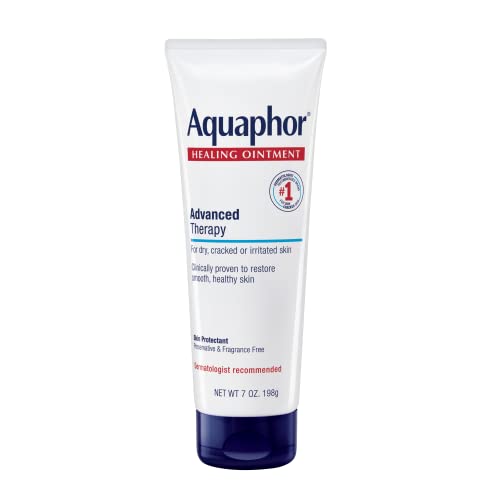
Dry skin, on the other hand, feels tight and may exhibit flakiness or redness. If your skin constantly lacks moisture, it is essential to choose hydrating products that contain ingredients like hyaluronic acid, glycerin, or ceramides. Heavy-duty creams and oils can provide the necessary hydration to restore the skin’s barrier and alleviate discomfort.
Combination skin is characterized by having both dry and oily areas. This skin type may require a tailored approach, using different products for the various zones. Lightweight, gel-based moisturizers can work well for greasy areas, while richer creams may be more effective for drier patches. Pay attention to the specific needs of each area when selecting products.
Sensitive skin can react adversely to many products, leading to irritation or redness. It is crucial to opt for products marked as hypoallergenic or specifically formulated for sensitive skin. Look for soothing ingredients like aloe vera, chamomile, or calendula that help calm the skin’s reaction.
Finally, being proficient in reading labels will aid in making informed decisions. Familiarize yourself with the ingredient list and actively seek out beneficial components while avoiding potential irritants. By understanding your skin type and product ingredients, you can enhance your skincare routine effectively.
The Power of Natural Ingredients
The beauty and personal care industry has witnessed a significant shift towards the use of natural and organic products. Increasingly, consumers are becoming aware of the benefits associated with natural ingredients, prompting many brands to reformulate their offerings. Products made from natural substances are often viewed as safer and more beneficial for both the skin and overall health. Moreover, they tend to be free from harsh chemicals, synthetic fragrances, and preservatives, making them a preferable choice for a growing demographic that seeks holistic wellness.
Key natural ingredients have garnered attention for their specific benefits. For instance, aloe vera is renowned for its hydrating and soothing properties, making it a popular addition to moisturizers and gels. This versatile plant not only provides moisture but also has healing capabilities, particularly for sunburned or irritated skin. Similarly, coconut oil has gained popularity for its nourishing properties. It acts as an effective moisturizer and is rich in fatty acids, contributing to healthy skin and hair. Its use ranges from hair masks to skin treatments, reflecting its diverse advantages.
Another noteworthy natural ingredient is argan oil, often referred to as “liquid gold.” Rich in vitamins and fatty acids, argan oil is particularly beneficial for hair treatment, providing shine and enhancing manageability while also serving as an exquisite moisturizer for the skin. Additionally, extracts like green tea are recognized for their antioxidant properties, which help in combating signs of aging and protecting skin cells from environmental damage.
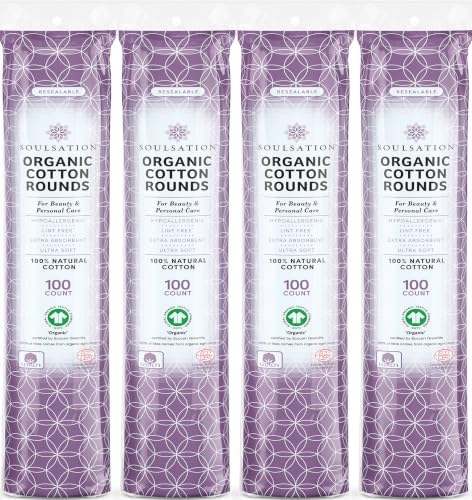

The trend towards natural ingredients reflects a broader understanding of the importance of sustainability and health consciousness among consumers. As more women seek beauty products that align with their values, the demand for natural and organic options will likely continue to grow, promising a future where beauty routines emphasize not only aesthetics but also overall well-being.
Sustainable Beauty Choices
In recent years, sustainability has emerged as a critical element within the beauty industry, urging brands and consumers alike to reconsider their choices. Eco-friendly packaging has become a paramount concern among consumers and manufacturers, with many brands opting for biodegradable, recyclable, or reusable materials. This movement not only reduces waste but also promotes responsible consumption practices, allowing individuals to partake in a lifestyle that is less harmful to the environment.
Additionally, the demand for cruelty-free products has surged. Consumers are increasingly seeking out brands that do not test their products on animals, reflecting a broader ethical stance toward beauty and personal care. This practice aligns with the growing awareness surrounding animal welfare, encouraging companies to adopt transparent testing methods that favor humane practices. By selecting products that are certified as cruelty-free, consumers can enjoy their beauty regimen with the assurance that they are making a positive impact.
Furthermore, choosing sustainable beauty products often translates to supporting brands that prioritize ethical sourcing and production. Many brands now emphasize sustainable ingredients, which not only help minimize the ecological footprint but also enhance the overall quality of the product. As women become more informed about the ingredients in their beauty products, they are more inclined to choose those that support both their skincare needs and environmental health.
Ultimately, making sustainable beauty choices is a multifaceted approach. By selecting products with eco-friendly packaging, ensuring they are cruelty-free, and supporting brands that prioritize sustainability, consumers can collectively foster a healthier planet. This shift not only benefits individual users but also sets a precedent for the beauty industry, encouraging widespread change in practices and consumer behavior.
The intersection of technology and the beauty industry has fostered a dynamic landscape, enhancing the way consumers approach beauty and personal care products. Innovations such as virtual makeup try-on technology have transformed shopping experiences, allowing users to visualize how makeup products will appear on their skin without the need for physical application. These virtual reality tools leverage augmented reality (AR) to simulate the effects of various cosmetics, giving users the confidence to experiment with colors and styles before making a purchase. As a result, these technologies not only enhance engagement but also reduce the likelihood of post-purchase dissonance.
Alongside virtual try-ons, beauty apps have revolutionized how consumers interact with beauty products. These applications provide tailored recommendations based on skin type, preferences, and trends, utilizing algorithms to suggest products that best meet individual needs. For example, some applications allow users to track their skincare routines and receive reminders for product application, thereby promoting a more personalized approach to personal care. This tailored experience is particularly appealing in an era where consumers increasingly seek products that resonate with their unique needs.
Furthermore, the emergence of artificial intelligence (AI) in beauty technology is reshaping personalized skincare solutions. AI-driven platforms can analyze an individual’s skin condition and specifically recommend products that address their concerns. This advancement is particularly noteworthy as it helps demystify effective skincare, allowing users to navigate the often overwhelming array of products on the market.
Looking ahead, the future of beauty technology appears promising. Continued advancements in machine learning and data analysis are expected to produce even more sophisticated tools, allowing for deeper personalization in beauty and personal care. As innovation continues to drive the industry forward, consumers can anticipate a beauty landscape that not only meets but exceeds their demands for efficiency, inclusion, and effectiveness. The convergence of technology and beauty has indeed forged a pathway to improved consumer experiences in a rapidly evolving market.
Beauty Trends to Watch
The beauty industry is continuously evolving, influenced by societal changes and consumer preferences. Among the trends currently shaping this landscape are clean beauty, gender-neutral products, and inclusive makeup lines. Each of these trends aims to cater to a diverse range of consumers, fostering a sense of empowerment and individuality.
Clean beauty has emerged as a significant movement, with consumers increasingly seeking products that are free from harmful chemicals and synthetic ingredients. This trend highlights the importance of transparency, with brands prioritizing ingredient integrity and sustainability. As a result, many companies are reformulating their products to ensure they meet the demands of health-conscious consumers. Clean beauty is not merely a trend; it represents a fundamental shift in how consumers perceive beauty products, leading to the rise of brands that focus on ethically sourced ingredients.
Another notable trend is the rise of gender-neutral beauty products. Many brands are challenging traditional norms by creating products that are suitable for all genders. This shift is reflective of broader cultural changes that embrace inclusivity and diversity. The demand for gender-neutral items indicates that consumers are moving away from products marketed solely for women or men, opting instead for formulations that can be enjoyed by everyone. As brands respond to this market need, consumers are presented with a wider array of options that cater to their personal tastes rather than conforming to rigid gender definitions.
Lastly, inclusive makeup lines have gained significant traction, championing the idea that beauty should be accessible to everyone, regardless of skin tone or type. The beauty industry is increasingly recognizing the necessity of offering a broader color spectrum across foundation shades and makeup products to accommodate various skin tones. This trend promotes the notion that beauty is diverse and should reflect the uniqueness of each individual.
Building a Personalized Skincare Routine
Creating a skincare routine that meets your unique needs is essential for maintaining healthy skin. The first step is to identify your skin type, which can be classified as normal, oily, dry, combination, or sensitive. Once you determine your skin type, you can tailor your routine accordingly.
Your routine should ideally have two phases: a morning and an evening skincare regimen. In the morning, start with a gentle cleanser to remove any impurities accumulated overnight, followed by a toner to balance your skin’s pH. A hydrating serum can provide an extra boost of moisture, especially after cleansing. Finally, apply a broad-spectrum sunscreen to protect your skin from harmful UV rays.
During the evening, cleanse your face thoroughly to remove makeup and any pollutants. Consider using an exfoliating product two to three times a week to slough off dead skin cells, promoting cell renewal. After cleansing, apply a nourishing serum or oil that caters to your skin concerns, such as fine lines, dark spots, or dehydration. Conclude with a rich moisturizer to lock in moisture and support skin repair overnight.
When selecting products at various price points, it is useful to consider both efficacy and budget. High-end brands often offer advanced formulations, while drugstore alternatives can be just as effective without the hefty price tag. Look for products containing key ingredients tailored to your skin’s needs, such as hyaluronic acid for hydration, salicylic acid for acne-prone skin, or vitamin C for brightening.
Remember, as your skin evolves, so can your routine. Adjust your products seasonally or as necessary based on your skin’s responses. Incorporating regular assessments of your skin can help ensure your skincare routine remains effective and aligned with changing conditions.
Final Thoughts: Embracing Individual Beauty
Beauty is a deeply personal experience, and each woman’s journey towards self-acceptance is unique. In a world saturated with images of idealized beauty, it becomes increasingly vital for women to recognize and embrace their individual beauty. The diversity of skin tones, body types, and personal styles contributes to a rich tapestry of aesthetics that should be celebrated rather than conforming to a single standard. Understanding and accepting one’s natural beauty leads to more genuine self-confidence and fulfillment.
Engaging in a consistent personal care routine plays a critical role in nurturing this sense of self-worth. The use of beauty and personal care products should not merely be about altering appearances but should also reflect self-love and respect. Selecting products that resonate with one’s values and aesthetics can enhance not just outward appearance but also inner well-being. This regimen serves as a ritual of self-care, allowing women to carve out time for themselves amidst their busy lives.
Furthermore, embracing individuality in beauty can foster a sense of community and empowerment among women. By sharing personal care tips and product recommendations, women can support one another’s journeys, reinforcing the message that beauty is not one-dimensional. This collective empowerment underscores the importance of self-expression through beauty choices—allowing women to curate their identity while feeling connected to others who share similar values.
Ultimately, the path to embracing individual beauty entails recognizing and celebrating one’s unique features and quirks. Investing time in personal care products that uplift and enhance individual beauty can significantly impact a woman’s confidence. When women advocate for themselves through mindful beauty practices, they not only enrich their own lives but also inspire others to embark on a journey towards self-acceptance and beauty appreciation.
